R. Strauss, arr. Attrib. A. Rodziński Der Rosenkavalier – suite; R. Strauss Salome – final scene’.R. Strauss Ein Heldenleben. Elza van den Heever soprano, The Met Orchestra, Yannick Nézet-Séguin conductor
I did ask myself why I was going to this concert? – I’ve heard the same Rosenkavalier Suite conducted by Nezet-Seguin before, with the BRSO at the Proms, 7 years ago ; Strauss’ Salome I have seen 3-4 times in recent years, and Ein Heldenleben, again, I have heard a lot, and enjoy less than I used to (there was an outing with Makela and the Oslo Phil at the Proms a few years ago which I went to, and my live experiences of the work go right back to Karajan and the Berlin Phil at the Royal Festival Hall in 1972)). Interestingly Ein Heldenleben has been featured no less than 43 times in the Proms, pretty regularly since 1903 – a very different trajectory to Mahler’s music at the Proms.
I suppose the answer as to why I was at this concert is I wanted to hear what the Met Orchestra sounded like in the flesh, having so often heard them on opera screenings at local cinemas, and Elza van der Heever is an up-and-coming singer I was interested to hear live – she was Sieglinde this summer in Bayreuth and will also be singing that role in November in the Paris Ring I am going to.
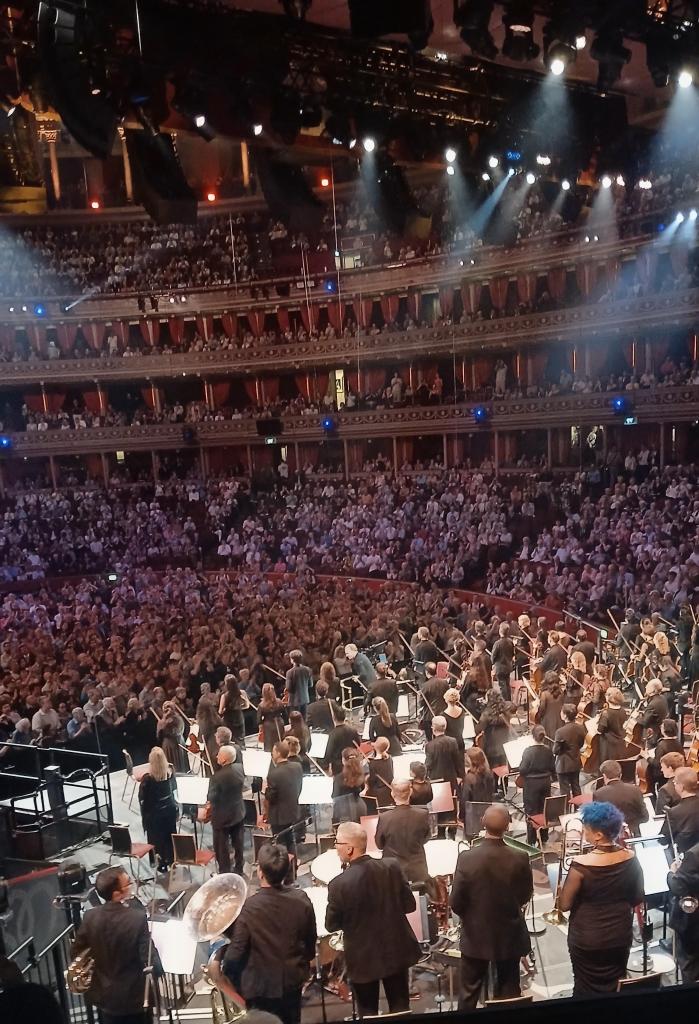
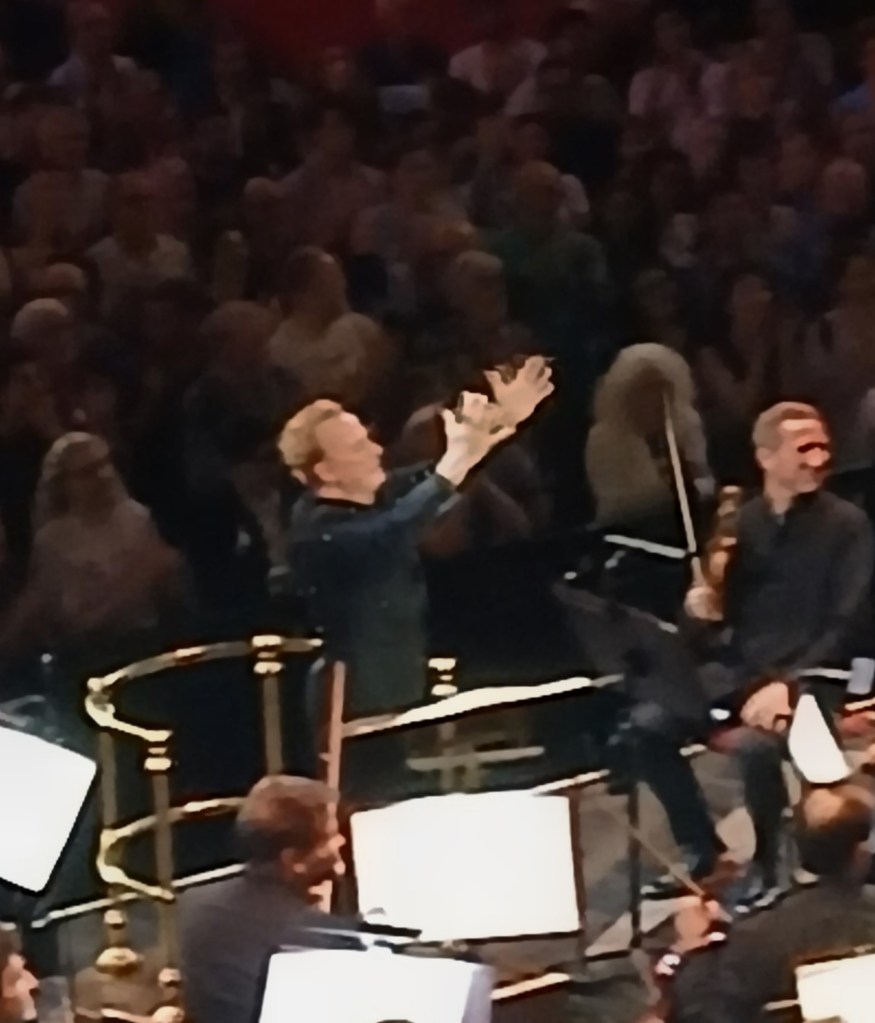
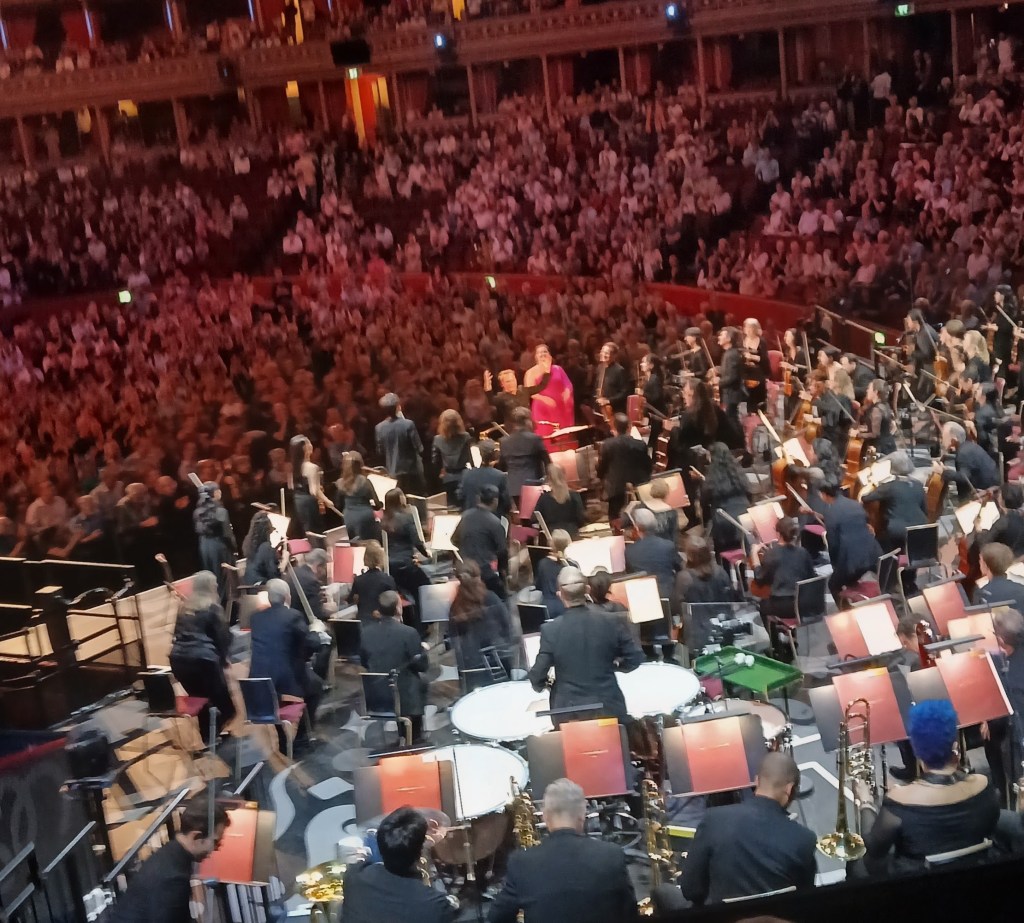
In the event I enjoyed this concert much more than I thought I would, though I still find Heldenleben tiresome at points. I asked myself – is there anything different in the way an opera orchestra plays this kind of music compared to an ‘ordinary’ concert hall orchestra. In one sense this is a nonsense question since many German and Austrian orchestras combine concert hall and opera house work. But there was something about the way the Met orchestra dealt with the surges of Straussian passion and lyricism that made me feel there was an invisible voice they were responding to in Heldenleben (which of course is literally the case with the Rosenkavalier Suite, and there is an actual voice in the Salome extract) taking the lead from that voice and responding to it. Nézet-Séguin was very good at the transition moments in Heldenleben, and crafted great arcs of emotion very clearly, with strong signals to different parts of the orchestra . And it seemed as though the orchestral sections were very good at listening to each other – particularly in the last 10 minutes or so of Heldenleben – and dovetailing their contributions carefully and gently. The principal horn was particularly impressive, as was the first oboe; there was a resplendent brass section which never sounded coarse or aggressive in the way some American orchestras – Chicago/Cleveland – used to sound, and a wonderful unanimity in the strings. As an example of this orchestra’s playing (and Nezet-Seguin’s conducting it it) at its best I’d cite the tightness and balance at the end of the Rosenkavalier suite with the reprise of the Ochs waltzes – there’s a bounce to the strings (right tempo), a kick from the horns and woodwind, tiny slowings down or speedings up to get the waltzes sounding idiomatic; this was brilliantly done. And another – in the last reprise of the critics’ theme(s) there was wonderful colour and clarity from the woodwinds, perfect unanimity between solo horn, solo violin, clarinet, and, later, full strings at a very slow pace, and thoughtful phrasing and rubato – this was great playing, and with a wonderfully slow peroration at the end. ! I was thankful that in Heldenleben the leader of the orchestra kept the Hero’s lover’s coquette-ishness on a tight rein and a fairly brisk pace (those solos can seem interminable). The lay out of the orchestra was slightly unusual – facing the orchestra from the Arena, the violins were split, violas on the right, cellos in the middle, and double basses left and centre behind the other strings. I think this produced a strong yet lush sound, with more bass underpinning than I have heard in some performances of this music. Nézet-Séguin was very effective in the Heldenleben in bringing out voices you don’t normally hear – the Critics section was particularly transparent in texture.
In many ways the finest element of the evening was the Salome extract – from the point at which the guards go down to chop off Jokanaan’s head to the end of the opera. This is partly because I think Strauss is at his best in opera – Heldenleben is not great art in the way a Mahler symphony is; it’s too much about Strauss, too external somehow and too difficult for us (well, me anyway) to respond to from our own experience and personalities, whereas Strauss (and his librettists) in opera after opera create stage characters we can relate to and empathise with. But it is also because I thought Elza van der Heever gave a sensational performance as Salome – powerfully voiced when needed, real acting with her voice, some beautifully floated notes, clear diction, great sense of stage presence (every movement of the arms meant something. She came on again after Heldenleben to do a Strauss encore (‘Zueignung’) and rather spoiled her good impression by launching into the orchestrated song and then forgetting the words half way through – an embarrassed grind to a halt, consultation with the score and then a re-run; the Prommers were very tolerant………….