Mozart, String Quintet in C K515; String Quintet in G minor K516
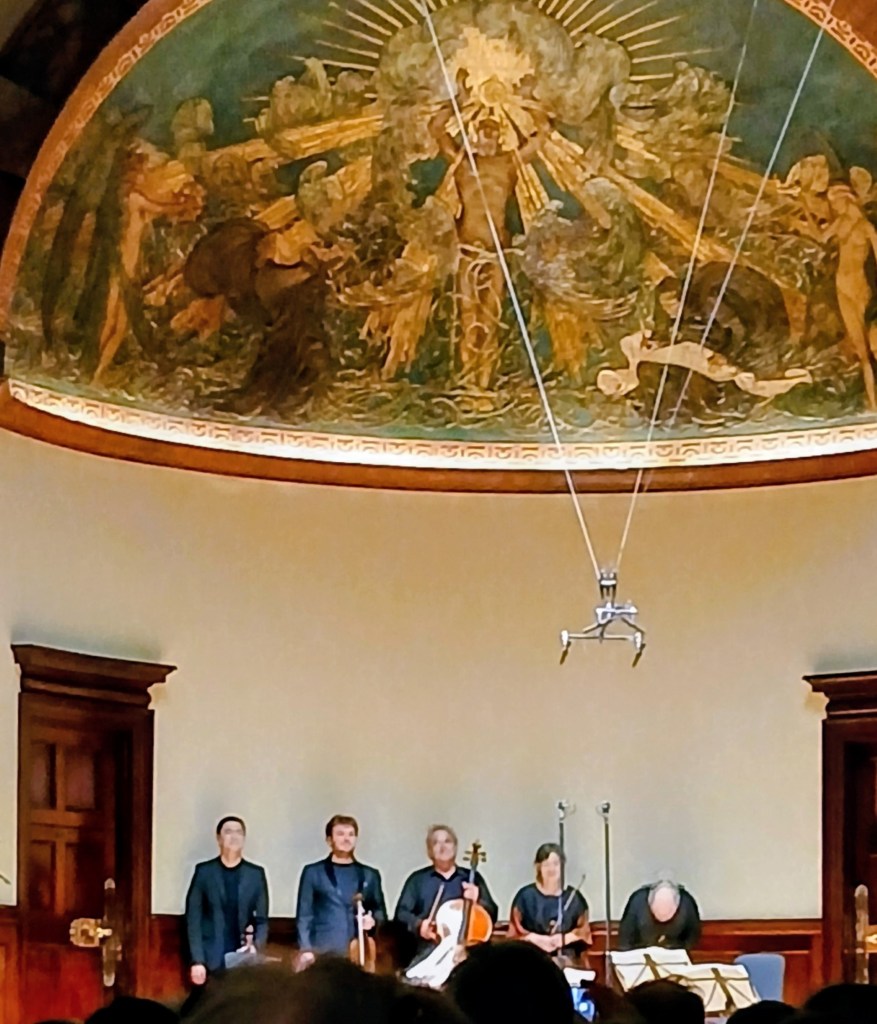
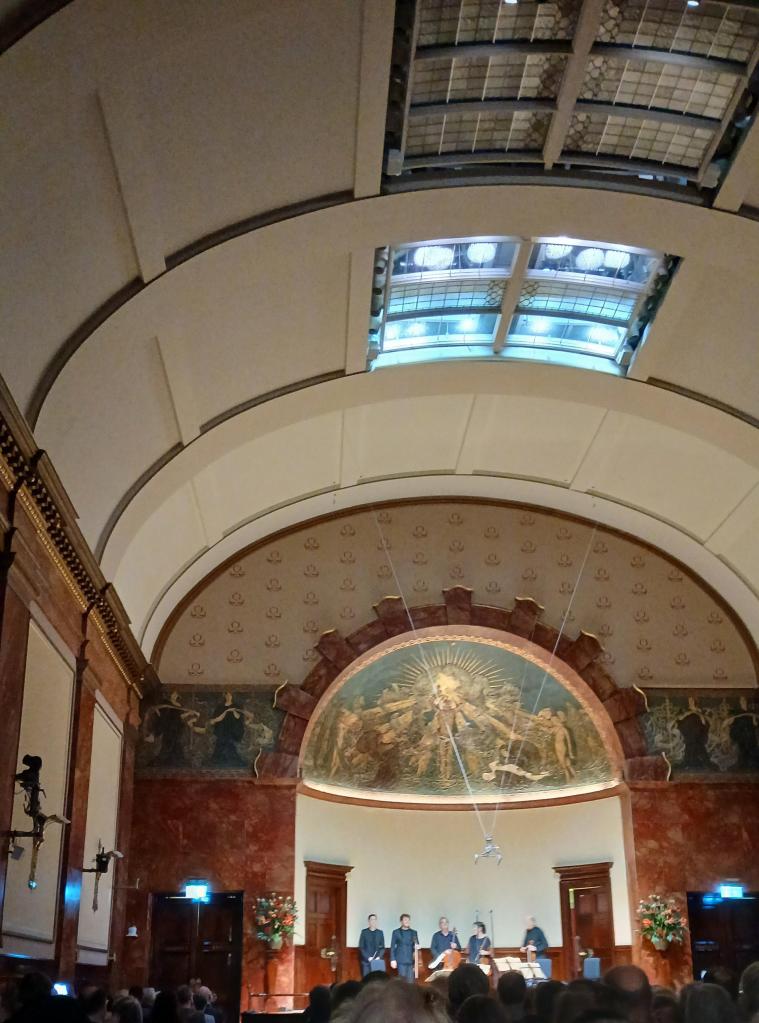
This was a superb concert. I have listened to these two works a number of times but have never heard them live and therefore haven’t ever, really, given them the full, deep concentration I find I can only give at a live concert. I also don’t think I have ever heard the Takacs Quartet live before (though maybe I have a brief memory of Beethoven quartets at the RFH in the early 2000’s). I enjoyed reading Edward Dusinberre’s book about the life he has led with the Quartet so it was a bit of a thrill to hear them live, and at the Wigmore Hall – and playing Mozart!! They had also played some of the other quintets the previous evening, but as you will have seen , I was elsewhere……a great pity I wasn’t able to get to this first concert…….
There was an unusually good programme note, by Richard Bratby, which quoted at length a letter Mozart wrote to his father not long before the latter’s death. I’ll quote a bit of it here – it’s dated 4 April 1787: ‘…….. Since Death, if we think about it soberly, is the true and ultimate purpose of our life, I have formed during the last few years such close relations with this best and truest friend of mankind that its image holds nothing terrifying for me any more, but is indeed very soothing and consoling! And I thank God for graciously granting me the insight (you know what I mean) of learning that death is the key which unlocks the door to our true happiness. I never lie down at night without reflecting that perhaps, young as I am, I may not live to see another day. And yet no one who knows me could say that I am morose or dejected in company – and for this blessing I thank my creator daily.’ While you could read this as a set of messages to keep his Dad content, and make him feel Wolfgang was leading a virtuous life in Vienna, to me, as it does to Bratby, it seems a profound statement of Mozart’s sense of his own mortality, and of the depth of his faith, which makes us understand how light and shade alternate so much in his writing, and in these quartets, one in C Major and one in G minor.
What struck me so much about this current version of the Takacs Quartet was the lightness and deftness of the playing. Some of this was clearly emanating from Dusinberre, who led some wonderfully wispy (yet rhythmic, with a kick) playing in the finale of the G minor, which makes the Amadeus Quartet in the recording I have sound quite leaden by comparison, but there were moments when the same could be said of other players – such a lightness of touch…….. In addition to the lightness there was delicacy, bounce and clarity – a sense of an intricate interweaving of parts, all making a greater whole, but never mechanical, never anything other than a sensitive and musical listening to each other. The darkness juxtaposed against the light in the first movement of the C Major, the joy of its finale, the sadness and hope of the G Minor quintet’s adagio, the passionate darkness of the opening of its finale, and the hope and energy of the rest of that finale once the prelude is passed – all were wonderfully realised.
I do hope I can hear this quartet again playing other Mozart, Beethoven (or indeed anything!)
 John's musical journey