Conductor, Stefan Klingele; Director, Benedikt von Peter; Design, Katrin Wittig; Costumes, Geraldine Arnold; Lighting, Ulrich Niepel; Leokadja Begbick, Evelyn Herlitzius; Fatty, Thomas Cilluffo. Dreieinigkeitsmoses, Robert Gleadow; Jenny Hill, Annette Dasch; Jim Mahoney, Nikolai Schukoff; Jack O’Brian, Kieran Carrel; Bill, Artur Garbas; Joe, Padraic Rowan
I spent the morning, as I have done whenever I have been in Berlin on a Sunday during the past few years, at the Anglican Church of Berlin at Neu West End, which is a very welcoming and multi-cultural place, people bound together by the Anglican language of Common Worship .
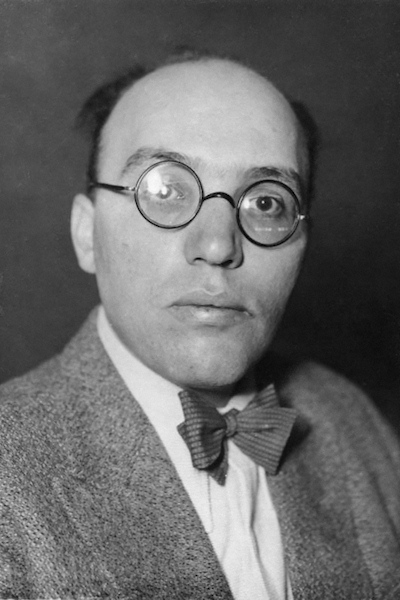
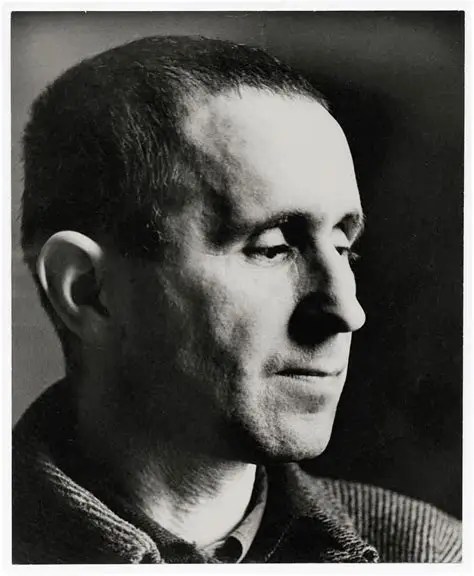
After a drink and a rest, on to Brecht/Weill. ‘Mahagonny’ is a work I have never seen live before, though I have a vague memory of singing the ‘Alabama’ song at University in a performance of ‘The Seven Deadly Sins’. It is curious to think that Mahagonny pre-dates Die Schweigsame Frau by three or four years, while of course its sound world and perspective is utterly different. Whether it’s about capitalist societies generally, or specifically about the Weimar Republic, in a sense doesn’t matter – it is a continuingly relevant story of consumer culture, of the gospel of perpetual economic growth and a place where power and money has come to mean more than love, human community and care. The outcome can only be misery and social outcome.
The story involves three fugitives from justice in Alaska who set up a pleasure city called Mahagonny. At first all things go well and people flock to enjoy its pleasures – Eating, Lovemaking, Fighting, and Drinking. Several prostitutes join the population, headed up by Jenny, After a while a group of Alaskan timber-men turn up, led by Jimmy. Mahagonny seems to run in to financial problems and is threatened by a hurricane. Jimmy loses all his money and is eventually sentenced to death for the ultimate crime of – having no dollars. After Jim’s death, increasing hostility among the city’s various factions causes the destruction of Mahagonny. To a potpourri of themes from earlier in the opera, groups of protesters are seen on the march, in conflict with one another, while the city burns in the background.
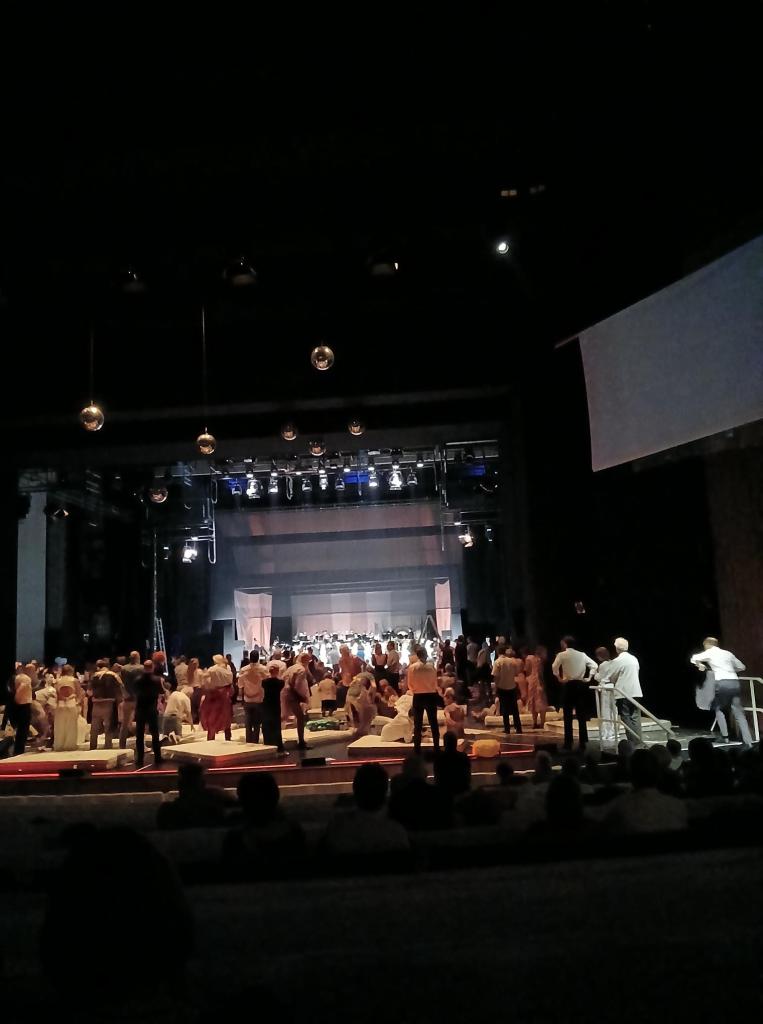
The basic production concept was that the Deutsche Oper building itself was to be the city of Mahagonny. I quote at length from guidance to the audience emailed beforehand, which gives a sense of how this production works for audiences: As soon as they enter, the foyers become part of the staging and unfold an unusual atmosphere: the rooms are darkened, at a certain point the first scenic interventions begin…… Performances are not only performed on stage, but also in the auditorium, in the foyers and on the sidewalk in front of the opera. That’s why you’ll be on the move a lot. In the second part of the evening, there will be seating on mattresses with free choice of seats. The second part will take place with an audience on stage. The audience is pushed into the hall and onto the stage. In the staging there are depictions of sexual and physical violence. So the whole impact of the setting is meant to be chaotic, I guess, and you are meant to feel pulled around by events, not knowing exactly what is happening.
There were no intervals in the performance, which meant that positioning yourself for maximum interest but also comfort was important. I suspect quite a few members of the audience had seen this production before and knew what to do and where best to go. To me, it was all pretty baffling at first. The foyer was in semi-darkness with lots of areas roped off, no natural light allowed in and various flashing disco like hangings and red lights. I hung around wondering where to go. There seemed to be a general upstairs drift of people, which I followed and found myself in the main bar area, where there were two large screens and a lot of the chorus or extras dressed up in silly clown-like costumes, blowing bubbles or selling champagne, representing some of the denizens of Mahagonny. At first the action is going on in various front of house areas, outside the theatre and the back of the auditorium for the scenes until the hurricane. As far as I can tell all the singing was live, and being covered by video cameras (with surtitles on the screen). Occasionally some of the singers hoved into view – and I think I was served with champagne by Evelyn Herlizius at one point. As the hurricane is announced, people are ushered out of the bar area and I followed part of the herd, and ended up midway in the stalls – which suited me fine, as I had been standing until that point. As already described above, part of the audience went on to the main stage, where mattresses had been placed, and the rest of the action took place either between the mattresses, or at the back of the stage in front of the orchestra. I thought at first the orchestra must have been pre-recorded for the opening scenes, but I now assume the orchestra had been playing live all the time (a formidable bit of coordination with the live singers in front of the theatre- all the singers were miked up throughout). There were two big screens in the auditorium for people like me to see what was going on in the scenes beyond the hurricane (perhaps they had been there throughout). I have been to these sorts of immersive theatre events for opera before – Birmingham Opera Company operates in this way. The benefits are clear – you get caught up in the action, you see great singers close-up and it is really engaging. And that was the case here. Whether this approach makes any discernible difference to the impact of the work and the points Brecht wanted to get across I am not sure. Particularly to me, as someone who has never seen the work live before and doesn’t know it at all, it was often quite confusing, and I would have appreciated a more conventional approach. Luckily, I have got that coming up, in February next year, with ENO.
The work is great fun, with all sorts of different kinds of music – ragtime, jazz, a Lutheran chorale, marching songs. I did think the scenes of Jim in prison and being tried went on too long, but otherwise the work seemed well structured. The three star roles are Jenny, Jim and Begwick and all of them were very well sung. The only singer I’ve heard of is Evelybn Herlizius and she was impressive – a powerful voice and good actor, a total fierce Madam. Annette Dausch as Jenny has one of those ‘white’ voices – strong, without any sort of vibrato, quite a hard steely sound -which sounded exactly right for Jenny. Nicolai Shukoff had an effective tenor voice which never sounded under strain and could do the declamatory parts as well as the lyrical elements of the role, But the whole evening had a great company feel and there were no weak links in any of the cast. If I have one complaint it would be that I would have liked to see more of the surtitles but unfortunately the surtitles were at the bottom of the screens – thus often difficult to see when combined with colour and light from the action, rather than white text on black. It was therefore difficult to times to follow the detail of what was being said.
 John's musical journey