Bach Partita No 2; Chopin Nocturne No 1, Op 27, Nocturne No 2, Op 21, Scherzo No 4. Shostakovich Piano Sonata No 2, Prelude and Fugue in D-Flat Major, Prelude and Fugue in D-Minor
I wanted to go to this recital partly because Kissin is a very significant pianist, and I was keen to hear his Bach and Shostakovich, and partly because I have never got on with Chopin, and I wanted to see and hear if he could convince me. Somehow I have always been allergic to Chopin’s music – I never got into it as a teenager, and my children’s struggling/succeeding with it for Grade 5 or Grade 8 left me relatively unmoved . It has to me a sense of sentimentality and smugness which I am sure is unfair, but which is how I hear it.
Evgeny Kissin was a child prodigy, a product of the extraordinarily successful musical education system of the USSR. His late teenage years coincided with his first international engagements and the collapse of the Soviet Union. He stayed overseas, ending up as an Israeli citizen with a global reputation as one of the finest pianists around. I’ve heard him as a concerto soloist before but never in a solo recital. He’s an outspoken critic of Russia’s invasion of Ukraine, incidentally, and has been dubbed a foreign agent by the Putin regime.
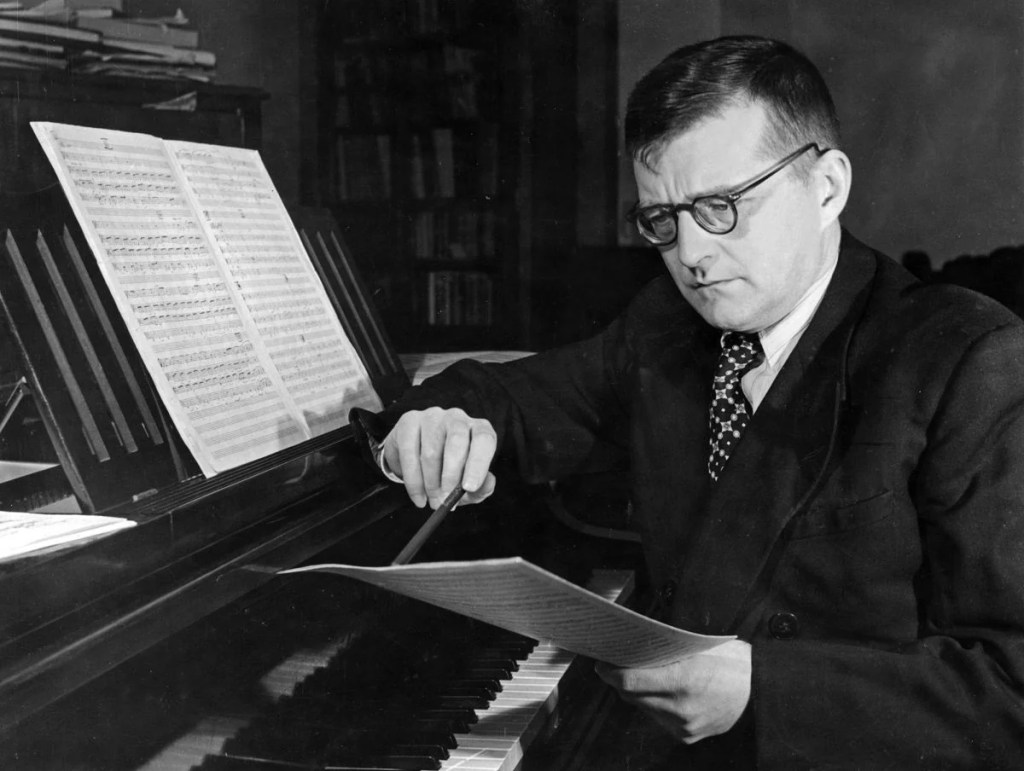
This programme which he has been performing widely in Europe and the US is in part a tribute to Shostakovich on the 50th anniversary of his death (the announcement of which I well remember). None of this music was familiar to me, though I have played on CD the Bach Partita. and The Shostakovich Preludes and Fugues a few times.
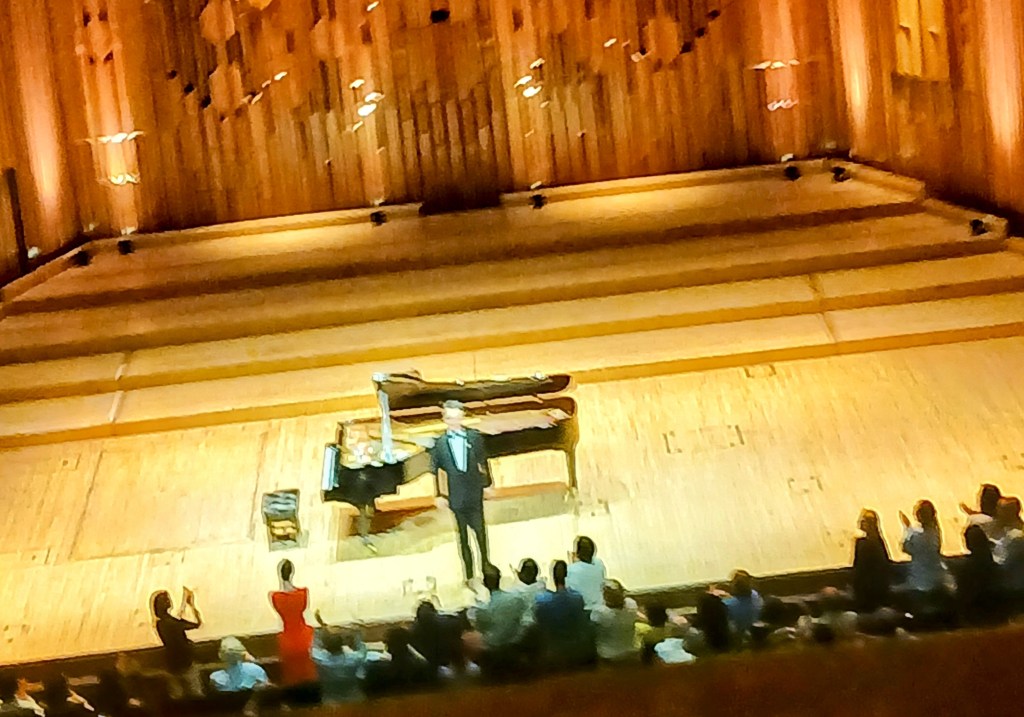
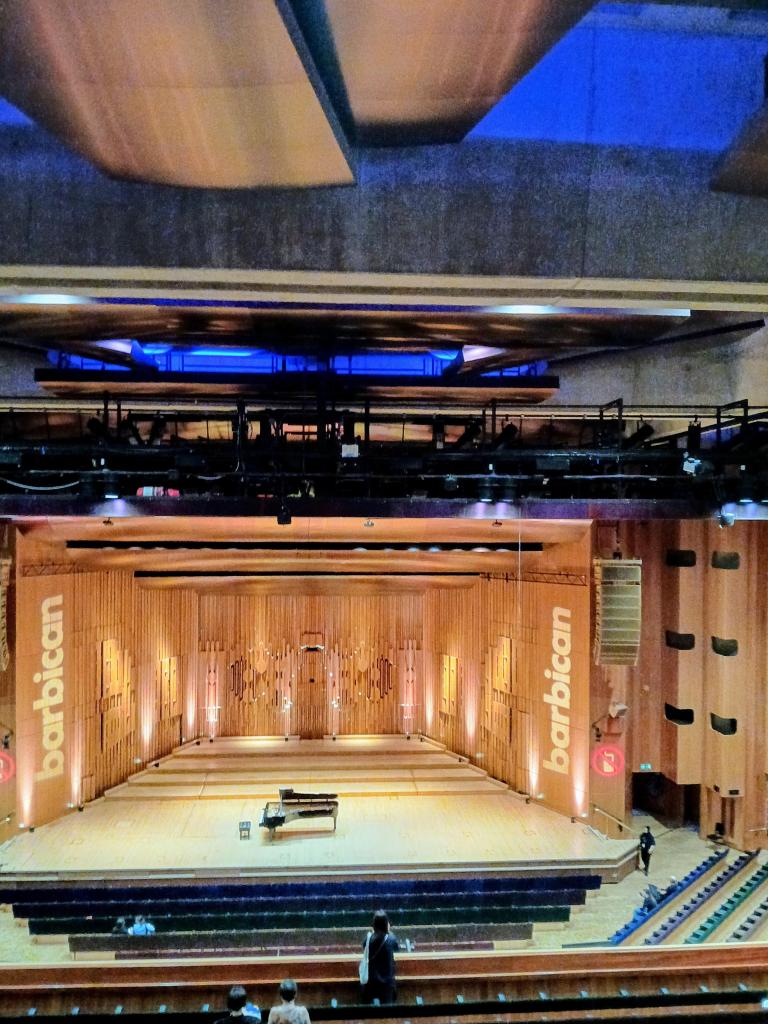
Kissin’s technique – insofar as I am able to judge it as a non- pianist and indeed non- performing musician – is extraordinary. Of the many star pianists I’ve heard in the past 10 years or so, only Yuja Wang has impressed me more with the utter confidence, utter clarity and the precision under speed of their playing. Some of the Bach and Shostakovich playing had a blazing brilliance you very rarely hear in the concert hall. The Barbican was packed, with a lot of Kissin groupies about, leaping to their feet at the end.
For me this was definitely a programme of two halves. The Bach Partita sounded technically brilliant and clear, but I heard in all that dazzling sound very little variation of light and shade, no stillness, none of the quiet melancholy that pianists like Vikingur Olafsson and Andras Schiff bring to Bach, or that sense of lifting dance which radiates through so much of his music. Of course, technical brilliance is something Bach would have enjoyed, but surely he’d want emotion as well?
I am afraid, also, that the Chopin didn’t grab me either as pieces, though I could tell they were gorgeously played. There’s just too much of the perfumed salon about his music….they seemed to be miniature gems of throbbing emotion to no particular purpose, with no sense of the objective correlation of that emotion. Why don’t Schubert’s Impromptus have the same impression on me? I’m not sure – somehow there’s a sense of the pain of his imminent dissolution that’s conveyed by them which anyone listening to them understands. I never feel that with Chopin, even though he was just as doomed. The emotion is somehow generalised. But these are personal ramblings – Kissin is a longtime Chopin specialist, and it showed in the subtlety of his playing as well as his virtuosity.
The Shostakovich second half was something quite different – it was moving, impressive and with playing that combined technical expertise and emotion perfectly. I’ve not come across the 2nd Piano Sonata before, which was a wartime piece (1943) so roughly contemporaneous with the Leningrad Symphony. It’s big – maybe 30 minutes. It has none of the sarcasm and fury that invades many of Shostakovich’s works at points – rather, it sounded throughout introspective, quiet and mournful (it was written after the death of his teacher). The first movement is quite light hearted – much like the opening of the 7th Symphony, but never breaking into anything more aggressive. The second is quite extraordinary – quiet, notes almost unconnected, intensely sad, and wandering sometimes almost aimlessly. Kissin played it wonderfully. The fourth movement, I think the longest, is a theme and variations, the former quite memorable and the latter covering a range of emotions with an ending which brings strands from all three movements together before the movement finishes solemnly. I must get a recording of this work
The two Kissin played of Shostakovich’s 24 Preludes and Fugues, bringing us back to the start of the programme, were both enjoyable – the second, the D Minor, was particularly grand and wonderful to hear live – Kissin played it gloriously.
Kissin’s two encores reflected elements of the programme – first a slow Bach piece – maybe one of the transcriptions by Busoni or similar – which had the melancholy missing earlier, and (though I couldn’t tell you its name) a well known and relatively upbeat Chopin piece to get the crowds cheering….
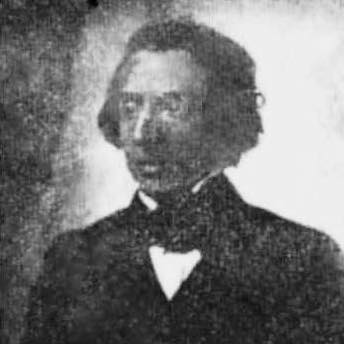
The photo on the right is Chopin in 1847
 John's musical journey