Mozart Flute Quartet in D K285; Beethoven Quintet for Piano and Wind Op.16; Elgar Piano Quintet Op.84
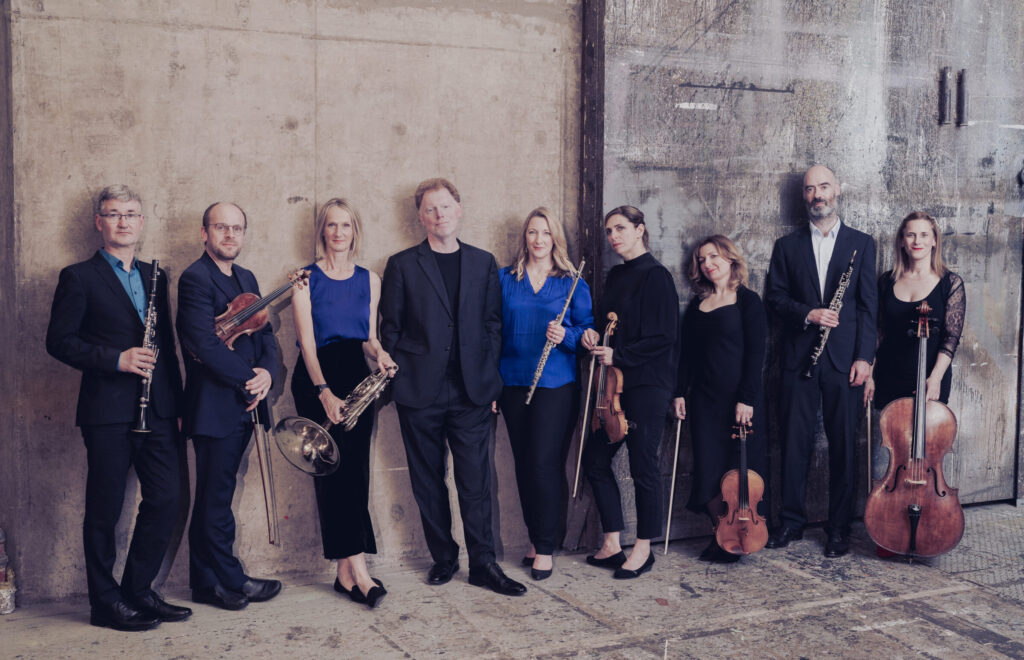
It’s a pity I have been to so little of the Ensemble 360 annual Chamber Music Festival – a lot of good things to go and see (20 concerts) but in the event this was only the second and last I’ve been able to make this year. In fact Ensemble 360 have been giving these May concerts for 20 years – this concert was an exact replica of the final concert of the first season.
The programming intention of this concert was not obvious, but maybe one idea was to offer two works of great composers in their youth, with another great composer’s near-to-last major mature composition. Obviously another point of connection is that there are two piano quintets, though of very different kinds.
The Mozart Flute Quartet was written over Christmas 1777 for Dutch surgeon and amateur flautist, Ferdinand De Jean, who commissioned some new pieces from him. There are three movements – Allegro, Adagio and Rondo. This Quartet was a delightful piece with a particularly bouncing last movement. The flute playing was very supple and at times outstandingly ethereal. I have to say this quartet sounded an odd combination of instruments – the flute has a high and bright sound; it sounds too divorced from the other string instruments, in a way. The two seemed only to be comfortably combined when the strings are plucking as in the rather beautiful slow movement.
The Beethoven work, again a work of a young composer in their 20s, also had three movements and was the product of his first few years in Vienna in the early 1790’s. Its obvious model, the programme note, pointed out, was the Mozart Piano Quintet . The Beethoven piece’s horn, oboe, bassoon and clarinet blend much better with the piano, and the work had the rhythmic energy of Beethoven’s later works, the third movement being particularly attractive. I was very struck by the cleverness of the wind writing, with each instrument being given its opportunity to shine, and also the way the horn writing did not cover the other instruments with its much greater volume (though that may also be to do with the quality of the horn player!)
I have enthused about the Elgar work in this blog before – it is one of my favourite pieces of chamber music. Elgar wrote to its dedicatee, Ernest Newman, that ‘I want you to hear it. It is strange music I think, and I like it – but it’s ghostly stuff.’ (with reference to the first movement). I had the impression that this performance of the Elgar was more jagged, more fraught, than the Buxton Festival one a few years ago. The first movement sounded almost phantasmagorical, as the different themes flew in and out of attention, and with the world-weariness suddenly replaced by furious energy. At times I was also reminded of Mahler – just as Mahler transforms schmaltzy folk tunes and military band music, so Elgar transforms his often-Palm-Court salon music into something rich and strange. The slow movement was lovely, and the last movement generated the energy necessary to overcome the ghosts of the previous two movements. I hugely enjoyed this.
 John's musical journey