Bruckner, Motets: Os justi; Locus iste; Christus factus est; Symphony No. 5 in B flat major. BBC Singers, Owain Park, conductor. Berliner Philharmoniker, Kirill Petrenko, conductor
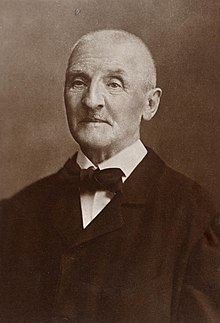
After the magnificent Bruckner 5 from Thielemann and the Berlin Staatskapelle in Berlin last November, I wondered how I would feel about a very different sort of conductor interpreting this work….On the other hand, the Berlin Philharmonic is always worth listening to……. I was very interested to hear how Petrenko would tackle this piece – I’ve not heard him conduct other Bruckner works, and wouldn’t have thought it was immediately core territory for him, though he is of course a notable conductor of Wagner, Mahler and Strauss. Performances I have heard him conduct emphasise tight, brilliant playing, extreme clarity and pin-point accuracy, none of which sounds like the traditional ‘German’ approach to Bruckner (though Pierre Boulez once recorded a very interesting performance of Bruckner 8 with the VPO, which I’ve got as an MP3 stream). Apparently this is the first Bruckner he has conducted with the Berliners.
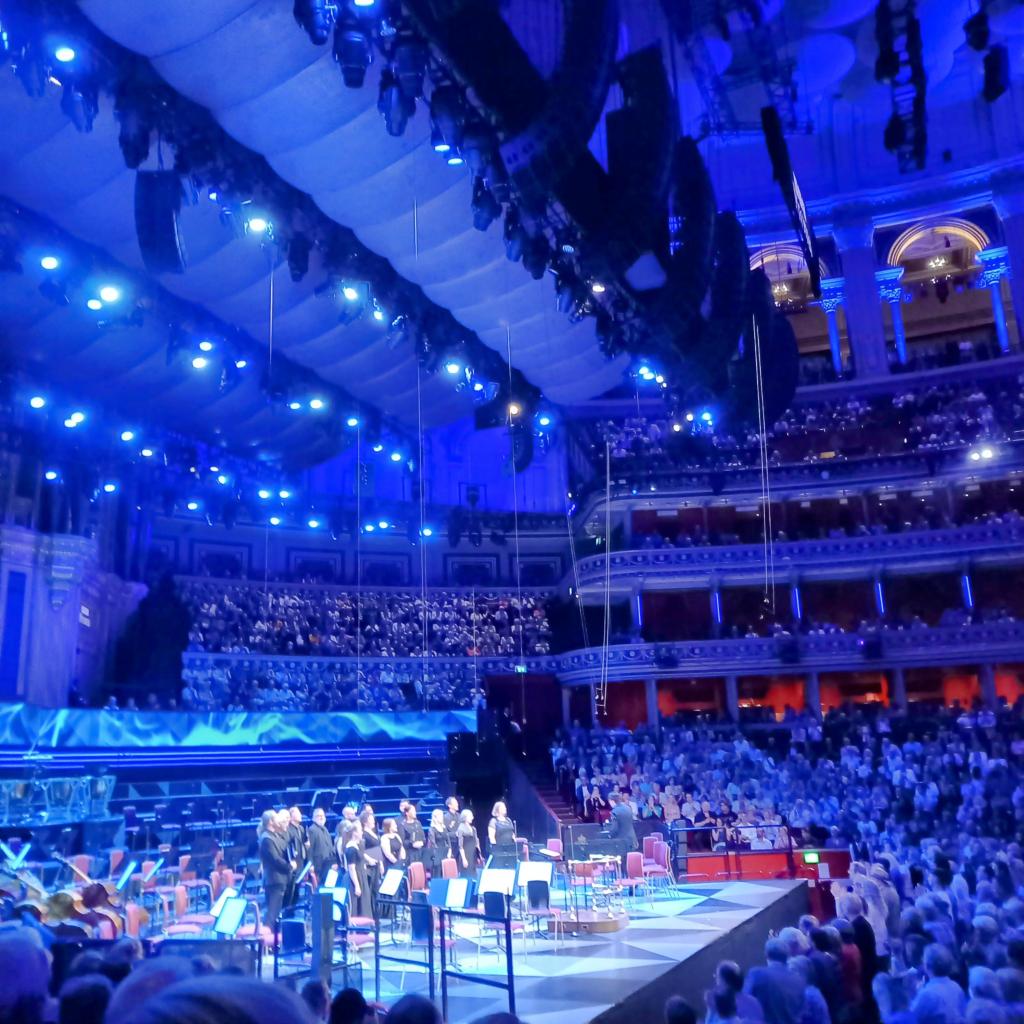
First we heard the BBC Singers, though. All three of the Bruckner Motets date from his later years in Vienna.I heard these Bruckner Motets at the Glasshouse Newcastle in March but the experience of hearing vastly fewer performers in the RAH cavern was very different and arguably nearer to Bruckner’s intention. This is not a mass Victorian singalong but something agonised and personal, The BBC Singers were superb, particularly the women, and it was a good idea to set the symphony in the frame of Bruckner’s avowedly religious music.
Oddly the programme booklet said nothing about the version of the symphony we were hearing except that it was the revised 1877-78 one. Though there are only very minor differences there are two versions of the Nowak one and the Benjamin-Gunnar Cohrs edition as well as the Haas one.
This was a hugely impressive performance of the 5th Symphony, and I guess it is a silly game to try and rank different performances of this calibre. The highlights were:
- The most coherent account of the Finale I have ever heard, in which all the different elements, often stopping and starting in ways which are difficult to hold in relation to each other, came together magnificently. Somehow the first appearance of the chorale theme was the most impressive I’ve experienced, and in contrast to it the following fugue, like the opening of the finale, sounded distraught, negative, even violent. When the chorale tune returned at the end, together with the first movement’s sweeping first main subject, it seemed to push away all the dross, the stops and starts, the negativity of the last movement, and became a hymn of praise, the Berlin Phil brass magnificent in their unison, carefully graded dynamics and sonority
- It struck me that this is part of Petrenko’s wider ability for structuring the music so that a story is told, that episodes make sense following on one from another. The first movement in particular was very clearly structured and I never once felt lost within it
- Petrenko’s ability to obtain remarkable clarity throughout in the orchestral sound was very apparent – enabling the inner voices to come through. This was particularly striking in the third movement with the woodwind, and throughout there were many details I have never heard before – an extraordinary little moment a few bars from the end of the finale with the flutes, for instance. Petrenko does seem to have the same sort of intense focus on detail that Carlos Kleiber is said to have had
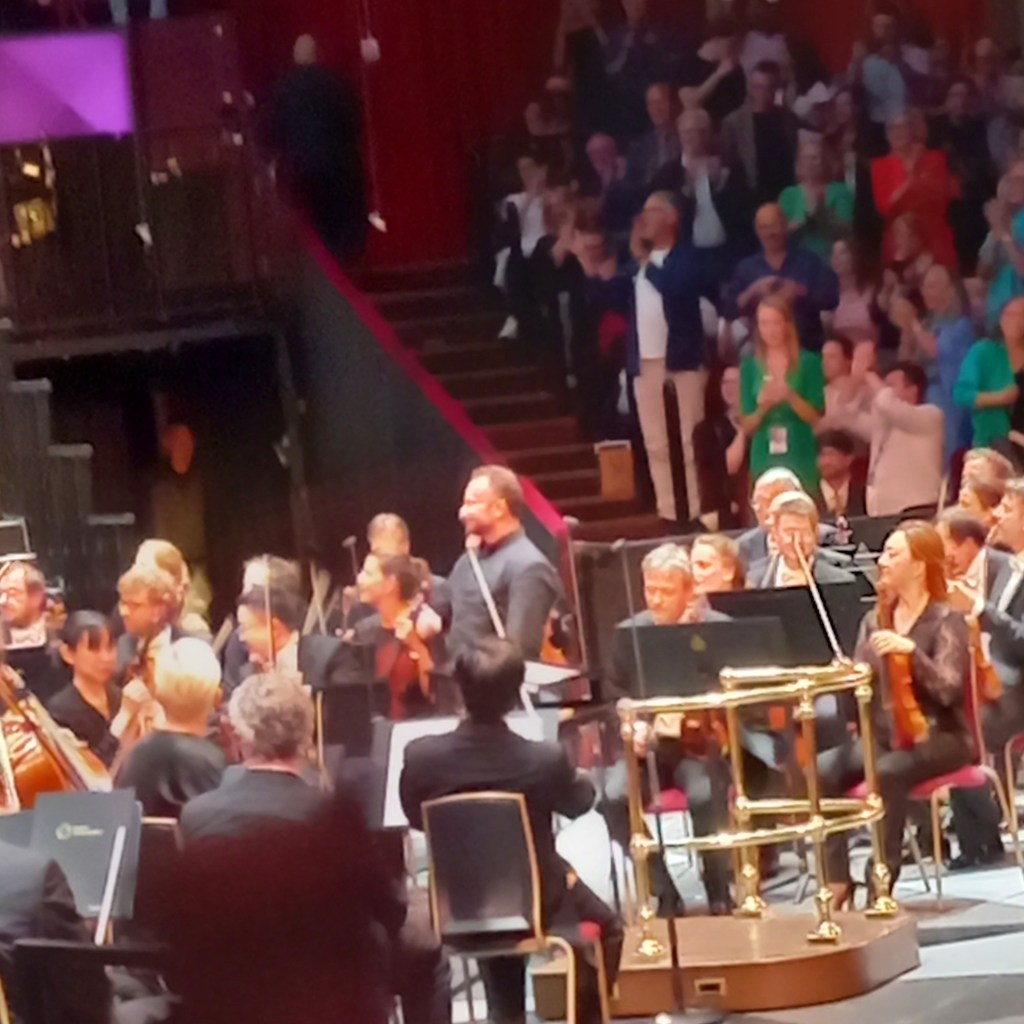
- There was a huge dynamic range throughout the performance – you can see Petrenko controlling this very clearly with his outstretched hands. The whispered opening to the work was quite wonderful
- The BPO strings in the slow movement’s second themes were just glorious.
This was swifter than some interpretations I’ve heard – I thought about 70 minutes long. The swiftness seemed right in the first and last movements but maybe less so in the Adagio – nb that word. – where, at a very high level of execution indeed, the slow movement’s second theme, while gloriously played, was just slightly too fast. The Schubertian trudging oboe first theme, melancholy and forlorn, needs to be complemented by a real ray of hope and light that’s different enough to be properly contrasting, and to me part of that contrast is that that theme should be paced more slowly than Petrenko took it. It’s important to note that, though there were many moments of exquisite beauty, there was never any feeling of beauty for beauty’s sake, and there was always a clear sense of momentum and structure. Maybe, though, there were less moments of spiritual calm and repose than some interpreters bring to this music; but then again sometimes the clarity of Petrenko’s reading emphasised the neurotic, the disturbed, elements in Bruckner’s music, which is equally part of his sound-world and sometimes lost in more traditional readings.
But what a magnificent band the BPO is. They really do deserve the hype – they are the best – in precision, in ensemble, in the quality of soloists’ phrasing, in the richness of the strings and in the quality of the brass
 John's musical journey