Schubert: Piano Sonata in G major D. 894; Die schöne Müllerin – Song cycle, D. 795. Julian Prégardien Tenor, András Schiff Pianoforte
…..and so, on to Salzburg, neither the Festival nor indeed the city of which I have ever visited before, after the sadly usual rail chaos (train arriving late in Munich so missed my scheduled train, got another one which sat at the station until it was announced to have a defect….anyway I’m here)
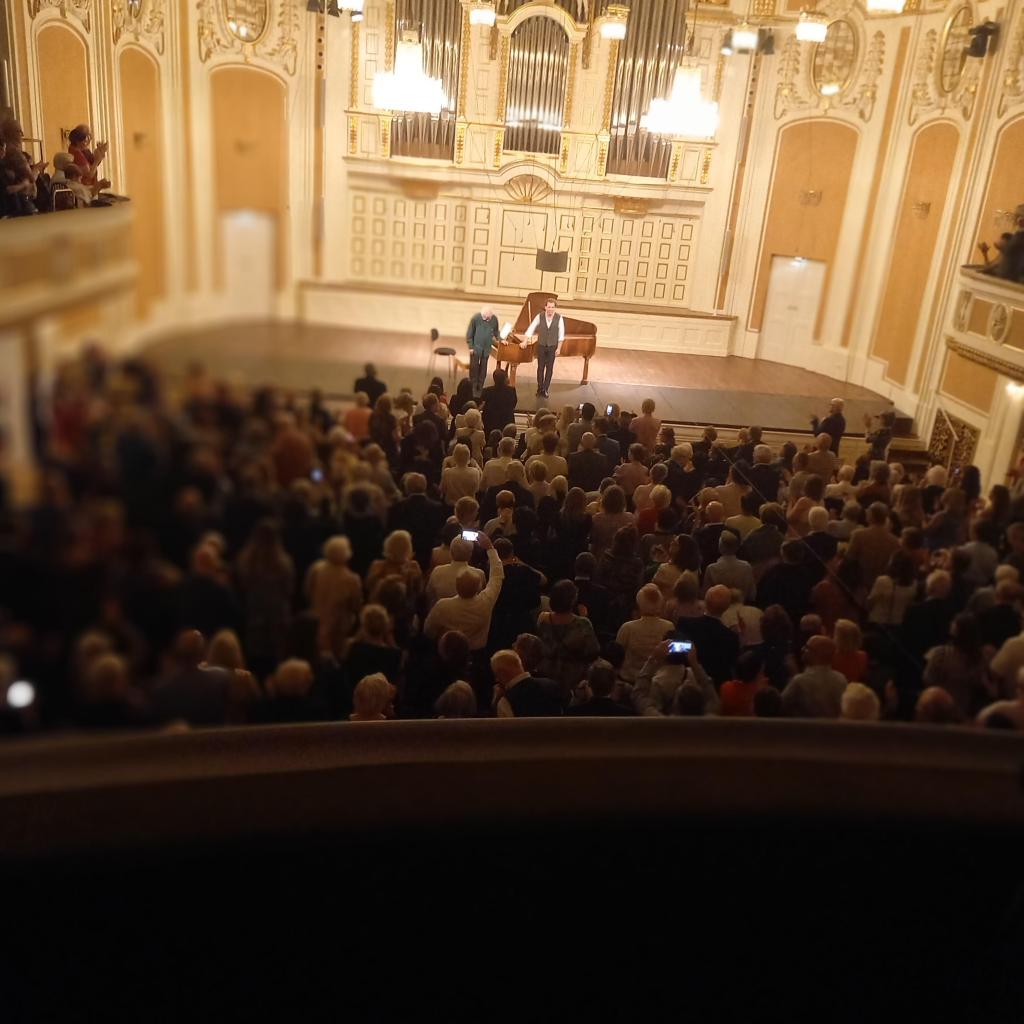
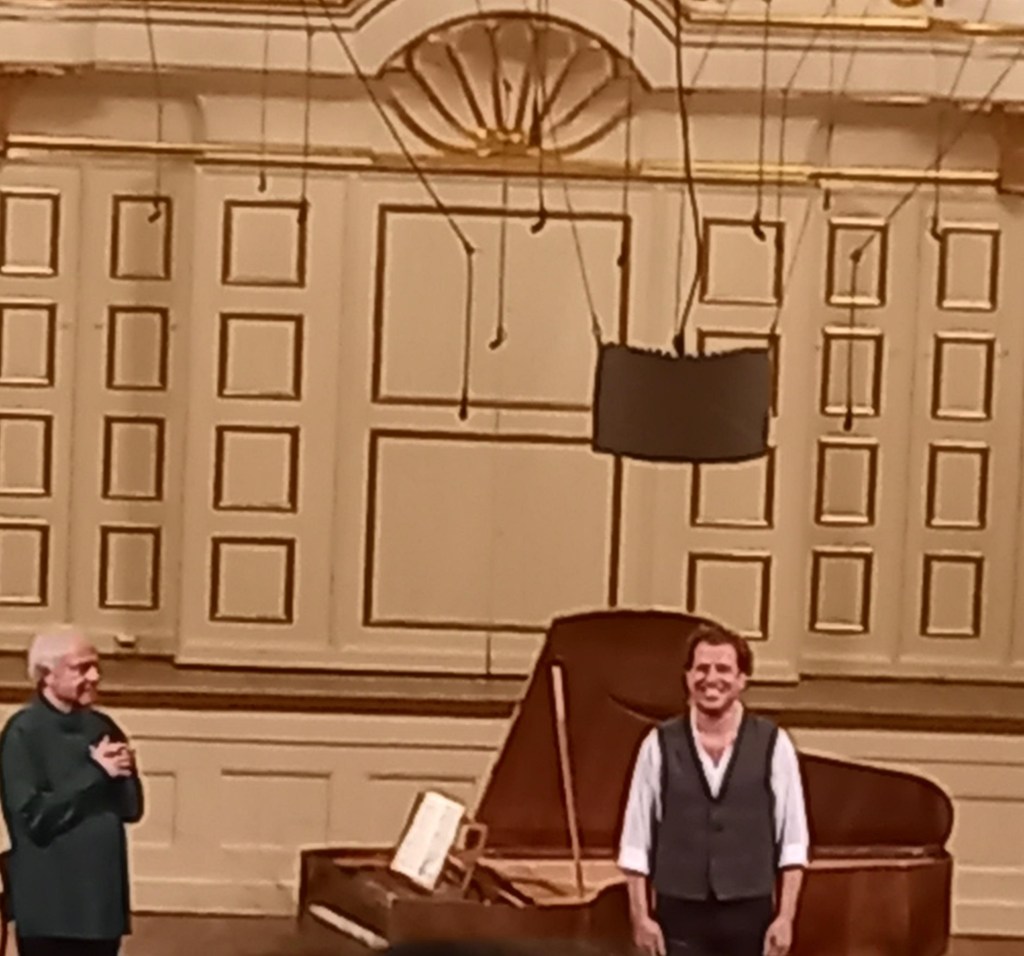
Andras Schiff, always one for spoken introductions, introduced his piano, which was an 1828 model from Vienna – ie made in the year of Schubert’s death and therefore having the sort of piano sound he would have been used to. That sound is much lighter and flexible, less clangy and allows for an extraordinary lightness of touch.
Before getting down to playing D894 Schiff played two openers, both I think from Schubert’s repertoire of dance music, one of which featured a Hungarian tune (as Schiff pointed out). The excellent biography of Schubert by Lorraine Bodley I am reading at present describes how important dance music was both to his pocket -that was where a lot of his income came from – and his friendship group/social circle and I reflected during this excellent performance how much of Schubert’s other work derives from dance rhythms and styles. His piano sonatas also include elements from the improvisatory aspect of Schubert’s musical life – as I listened to D894 you could hear that move towards improvisation in how the music moved forwards. There was in Schiff’s performance an extraordinary delicacy which he / the piano created in the middle part of the slow movement and the whole of the third. Using the piano for this work doesn’t bring you grandeur in the first movement but it does give extra shade and colour to other parts – it was a very different experience to listening to Paul Lewis on a concert grand just over 6 weeks ago; this performance was lighter, more lilting. I loved it…………………..
I know Die Schoene Mullerin fairly well as a work though I’ve not heard many live performances. Although I haven’t come across his name before Pregordien is clearly a major figure in the Austro-German musical world, inhabiting what one might call the ‘Peter Schreier repertory’ – Mozart tenors, Evangelists and lieder. That the performance was technically excellent goes without saying, and it was lovely to hear the work again. I have to say though that I found Pregordien’s approach a bit mannered, with exaggerated dynamics – at times only the front 3 rows could have heard exactly what he was singing. He also at times went into a falsetto voice I disliked. Interestingly, he was also adding a lot of grace notes to some of the songs which I didn’t recognise from my Fischer-Dieskau recording, whether this is historically informed performance practice or a new critical edition, I’m not sure. Curiously the haunting last song was almost jaunty in tempo. Still, these are minor quibbles
The Stiftung Mozarteum Grosse Saal is a nice auditorium but very cramped to get in and out of – I wouldn’t like to be caught in the hall with the fire alarm sounding (or an urgent need for the loo for that matter)
 John's musical journey