MOZART Ach, ich fühl’s! (from The Magic Flute); MOZART String Quintet No.4 in G minor K516; TRAD. Se solen sjunker (Swedish folksong); SCHUBERT Piano Trio No.2 in E flat. Ella Taylor, Robin Ireland & Ensemble 360
I was listening, with one ear, while waiting for my car’s servicing to be finished, to the music on the radio in the car showroom today……I suddenly heard a song I remembered – the Pet Shop Boys’ ‘You are always on my mind’, dating I suppose from the early 90’s, about the last time when I really had some grasp of what was going on in the pop/rock world. It has a memorable tune, good lyrics, and the sort of driving crashing accompaniment you get from a Phil Spector arrangement (which for me is a positive thing) , and it put my mind back to the era it was created very quickly. Why don’t I listen to this sort of music more? – I quite like it after all. The answer came to me as I listened to the Schubert piece in the Ensemble 360 concert – works such as the Schubert are just so much longer, more complex emotionally, more engaging, and become something that you return again and again to. Very few pop/rock songs have moved beyond the 5-10 minutes’ duration and lyric format. I just don’t have the time to hear the Pet Shop Boys etc when there is so much classical music to be explored !
This was a concert with Ensemble 360 plus Ella Taylor, a soprano winner of Second Prize at the 2020 Kathleen Ferrier Awards, and Robin Ireland, who used to be the viola player in the Lindsay String Quartet (in the interval I saw a lovely photo of Robin with Peter Cropper and the other quartet members standing with Michael Tippet in 1992!). This was the only concert in Music In the Round’s Spring chamber music festival I could make, unfortunately, but it was one well worth going to. Each half began with an appropriate sung piece by Ella Taylor – ‘Ach, ich fühl’s!’ from the Magic Flute tying in nicely with the Mozart String Quintet, and the Swedish folk song ‘Se solen sjunker’ (‘see the sun is setting’), which Schubert had heard in the Fröhlich sisters’ house, sung by the tenor Isak Albert Berg, and which is used for the main tune of the second movement of the piano trio.
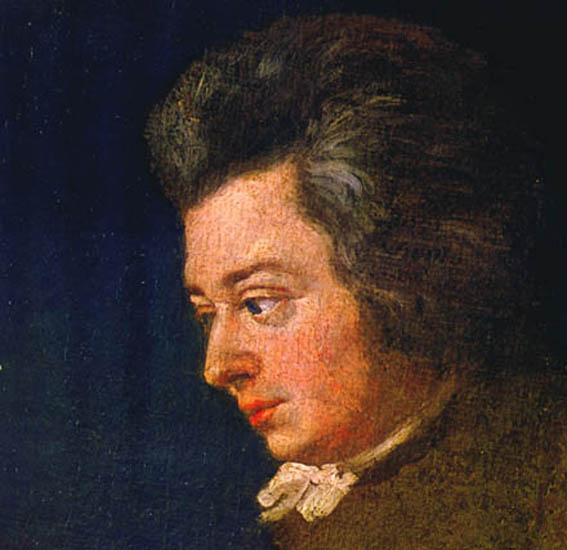
The Mozart piece is one I thought I knew but actually didn’t – I think it’s the K515 and K593 quintets I’ve heard, This is a complex piece – the first movement is more graceful than, and hasn’t quite the same urgency as, the G Minor 40th symphony; the minuet is distant and not easily approachable, again with a rather far-off vision of some elysian fields alongside the darkness. The adagio I found mysterious and not easily ‘placeable’ in any emotional framework. The finale, after a trudging and intense 3 minute adagio, suddenly veers into a totally different light-filled world. All in all, I found the trajectory of the Mozart piece difficult to follow – I need to listen to it again……… But the performance was excellent…..
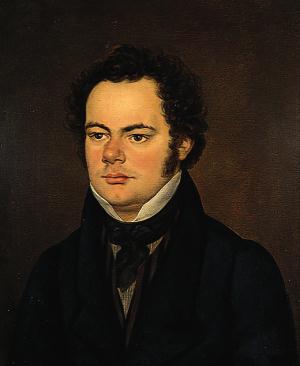
The Schubert Piano Trio I am much more familiar with. It was composed around the same time as ‘Winterreise’ and has a similar death-haunted air. The performance was slightly, but only slightly, disrupted by the quest for what was at first thought to be a malfunctioning hearing aid, emitting an intermittent electronic quiet whine, but then turned out to be an errant fitting in the upstairs loo = light or hand-drier. This extended the gap between the first and second movements, but was accepted by the always good-natured MITR crowd with good grace. In the end the performers just ploughed on regardless. The Swedish song’s text makes the emotion explicit – ‘Farewell’; ‘Ere night comes with dark shadows, you flee, sweet hope now bleak’. There are moments where real terror breaks through in this work, and it begins to sound more like Tchaikovsky than Schubert. Maybe the performance slightly underplayed the moments when the music threatens to go off the rails, and emphasised the Schubertian grace, but still, it was delivered with a lot of energy and I liked it very much
 John's musical journey