Liberata Collective; Ensemble Hesperi. Cast: Christian Joel, Orlando; Joanna Harries, Medoro; Olivia Doutney, Angelica; Susanna MacRae, Dorinda; Jolyon Loy, Zoroastro; Musical Director, Adrian Butterfield
The Liberata Collective apparently wants to recreate the experience of Baroque opera for modern audiences: using period instruments, providing printed libretti, and most crucially, performing according to the art of Baroque Gesture (rarely seen on stages since that period). The complex plot of Orlando is interpreted in this performance through a series of expressive movements, in a style that Handel’s own singers would have performed in. I came along to this not really knowing what to expect, and was surprised at how easy and flexible it all seemed. Baroque movement like classical ballet is based on a series of movement signs that have meaning – some obvious, some less so. Some of the gestures between individuals clearly persisted after the era to become the norms of melodramatic acting – for instance the actor who puts two hands palms outwards, one near the body, one stretched out is clearly giving a sign of aversion to another actor on stage, still in use in silent movies. How singers stand is also important- they should be standing with their “weight on one leg , with the other relaxed, giving a natural tilt across the torso and shoulders. Arms should be at different heights to create a pleasing symmetry in the silhouette….It would not be typical for singers to stand with their weight equally balanced and entirely head on.“ (quote from programme booklet). The use of the hands is important – right hand for good things, left hand for bad. Position on stage is determined by social status, based on court etiquette. And so forth…. fascinating, and very convincing. The evening was worth it alone for insights of this kind.
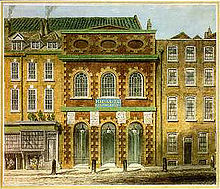
One of the three Handel operas based on Ariosto’s epic poem Orlando Furioso, Orlando opened at the King’s Theatre in London on 27 January 1722 and ran for only 10 performances. The first production since Handel’s lifetime was given at Halle, Handel’s birthplace, in 1922. For the Buxton production, the young singers of Liberata Collective were working with the musicians of Ensemble Hesperi, playing on period instruments, with Adrian Butterfield directing from the violin. I think most of the recitatives had been removed and some da capo arias shortened so that the evening came in at just over 2 hours. The plot concerns Orlando (Roland), a chief soldier in Charlemagne’s army, who falls desperately in love with the pagan princess Angelica, who is in turn in love with another man, Medoro. Orlando cannot accept this and he is driven to madness, prevented from causing absolute carnage only by the magician Zoroastro (who eventually restores his sanity). While there are no stand-out hit numbers, and the plot more than usually preposterous, this was a very enjoyable evening, with some good singing, and several very good arias – eg the aria:Verdi piante. As so often with Handel even if there are no truly memorable ear-wormy songs there is a lot of good music that makes you want to keep listening and not drop off to sleep (which can happen in some of the slower da capo numbers if they don’t strike any interest). I remained entirely alert all evening!
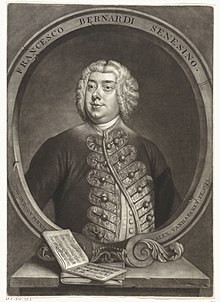
The set was basic – dark curtains and flooring and two colourful ?cherry trees in full blossom. To me the stand out singer was Olivia Doutney,, who had a beautiful voice that could easily fill a larger theatre and was able to produce exquisitely soft singing and carefully attentive phrasing; she was also a very good actor. I was also impressed by Joanna Harries’ contralto voice, and she was particularly good at the Baroque movement – exactly the image if a courtier. Susanna MacRae as Dorinda has a lot to sing in a sort of soubrette role and she sung it very well (plus she did the Baroque gestures very well and has a very expressive face)– whether her voice would carry in a larger theatre I am not sure. Christian Joel had a hard acting job in having to both keep to Baroque movement styles and act mad, and I thought he did that very well. Again he had a rather soft voice but as I was sitting in the second row that wasn’t a problem – he also had some of the toughest singing to do, in the role originally sung by the superstar castrato Senesino. Jolyon Loy did all that was required of him as Zoroastro. The 7 or so musicians stuffed in at the side of the stage were great!!
 John's musical journey