Doreen Carwithen, Bishop Rock; Grace Williams, Sea Sketches; Ralph Vaughan Williams, A Sea Symphony (Symphony No. 1): Elizabeth Llewellyn, soprano; Jacques Imbrailo, baritone; BBC Symphony Chorus, BBC National Chorus of Wales, BBC National Orchestra of Wales; Andrew Manze, conductor
My first Prom of the year….! After Norman Lebrecht’s dire warnings about ticket sales, I was wondering what the audience size would be for this concert. I had got down from the Peak District on a rail strike day to London by walking an hour and a quarter from my village to a bus stop and then getting a bus to Sheffield, after that taking one of the six trains running to London that day. I also forgot this was a 7pm start so I arrived at the hall 10 mins before the start somewhat breathless and concerned, but came in to a surprisingly full space – not sold out by any means but feeling comfortably full in the stalls. Only the high up circle looked a little bare. Promenaders were also less than might have been the case before the pandemic – whether because of the online-only standing tickets or Covid-induced fear of a sweaty close-together space, who knows…. I think also that, between the BBC and the RAH, they have over-priced many of the seats, being at Barbican/RFH levels when the peculiarities of the RAH acoustics should really necessitate some reduction in price.
There was a good buzz around in the audience, recognising that the Sea Symphony doesn’t come round too often in concert halls. Indeed, it’s yet another one of those ‘first in 50 years’ events for me…I have never heard Vaughan Williams’ Sea Symphony live before. It was, I suspect, thought deeply unfashionable by the Proms programmers of the 60s and 70s when I was at my most intense phase of Promenading, and has only been performed at the Proms a few times since the 1980’s.
Anyway, lovely to be back for a full-on Prom for the first time (given the complications last year) since 2019.
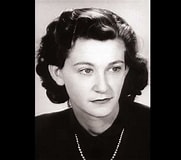
There were two works in the short first half. Sea Sketches by Grace Williams was easy enough listening and with careful contrasting to keep my attention, but not really very memorable. The only movement that stays in my mind 12 hours later is the one about lighthouse sirens. The first work in the programme, though, by Doreen Carwithen called ‘Bishop Rock’ was much more arresting – demonstrating a very clear melodic gift, sparkling orchestration, a really exciting short work, and though Walton-esque in some ways the piece still felt original. The composer was clearly talented – she apparently gave up composing though after 20 years once she married the composer William Alwyn, which is rather sad.
The Sea Symphony is a work I don’t know that well. Listening at home, I’ve always found my concentration dropping off after the magnificent first movement. it was a real thrill to be able to follow the whole work, all the words and in particular experience the beauty of the last movement. I found that that actually (dearly though I love them) this work is much less fusty and late Victorian in sound than the Elgar oratorios – it is constantly providing the unexpected in harmony and instrumentation, and the choral writing sounds in many ways more complex – while the opening is simply magical in the way the chorus mimics the sound of the receding wave. There’s much less of Wagner and Brahmsian influences in the VW work than there is in Elgar too – it has a real sense of sparkling originality, from a young man with plenty to say. Of course, the symphony also has many resonances with RVW’s folk song collecting, particularly in the form that found its way into the English Hymnal (several passages in the work eg the third movement closely resemble some of VW’s best hymns). I find Whitman’s poetry a bit wearisome, to say the least, and it is to the music’s credit that it doesn’t show the words up as the portentous waffle they can sometimes feel like when read
Andrew Manze led a performance of great energy and rhythmic propulsion. The opening was, yes, grand, the RAH organ pounding away, but also quite crisp and fast moving. The whole of the first movement went very well, choral and soloists’ diction being very clear at all times. The different episodes of the last movement hung together well ( the beautiful description of the earth hanging in space was particularly moving given the biodiversity loss and climate crisis we are experiencing). Manze was also very good at making the quieter parts intensely introspective and inward. Altogether, this performance made the work ‘add up’ for me in a way it never has before.
The massed choruses – there must have been 300 choristers – sounded wonderful. As usual you really have to stand in the arena to get the best sound – my side stalls seats, about level with the conductor, meant that some of the sounds were washing over to my left – but the choruses still sounded magnificent (though there were one or two moments of scrambling, when VW asks the chorus to sing a great many words fast and in unison – ‘A pennant universal’ was a bit of a mess). Elizabeth Llewellyn is a favourite singer of mine and she sounded glorious – poised soft high notes yet with the power to (as it were) sail over the orchestra (her ending of the first movement was quite spectacular). Jacques Imbrailo seemed rather as though he was having vocal difficulties in the first movement ( his voice cracked at one point) and he seemed to be prefixing some of his entries with an Italianate sob – maybe the movement was just too noisy for his voice) but he sounded much better thereafter, singing beautifully with Ms Llewellyn in the final movement). The orchestra I found it a bit difficult to assess, given my seating position. From where I was the strings sounded underpowered and thin, but I think this was an RAH issue. There were some distinguished wind contributions, particularly the first horn.
Altogether a great evening……. I am so glad I made the effort, despite all the travel hassles. I see Norman Lebrecht is now, following on from his previous Jeremiad, forecasting a general collapse of BBC orchestras, and a radical merging of other Arts Council funded ones, over the next few years – see https://slippedisc.com/2022/07/this-summers-proms-will-be-the-last-as-weve-known-them/ . I think he’s right, in fact – so, as the man says, best to enjoy it while we can. I’m going to 6 more Proms this season. Likewise, the gas crisis in Germany makes it imperative to get to as many events there as I can before things get very difficult.

 John's musical journey